
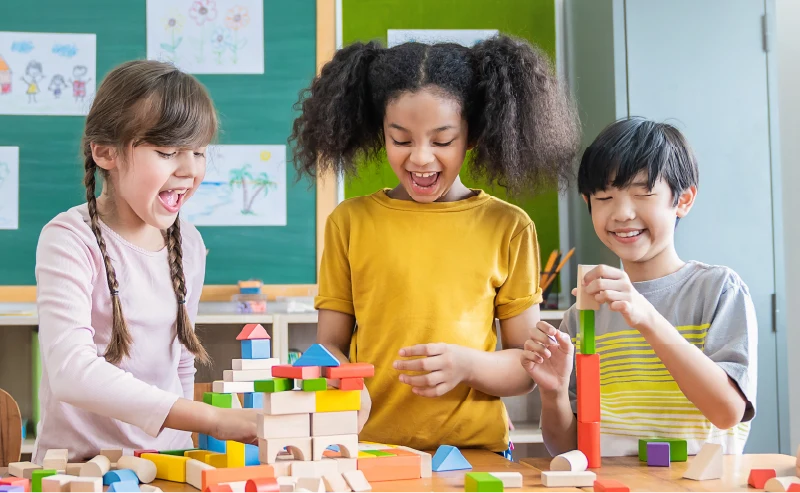
The importance of play in early childhood education goes far beyond fun and games. It nurtures the whole child, shaping not just academic readiness but also creativity, resilience, and relationships.
Misconceptions about Play
Many parents hear about playtime in early learning centers and assume it’s simply a break from “real learning.” After all, coloring, blocks, and pretend kitchens look more like fun than academics.
The Truth
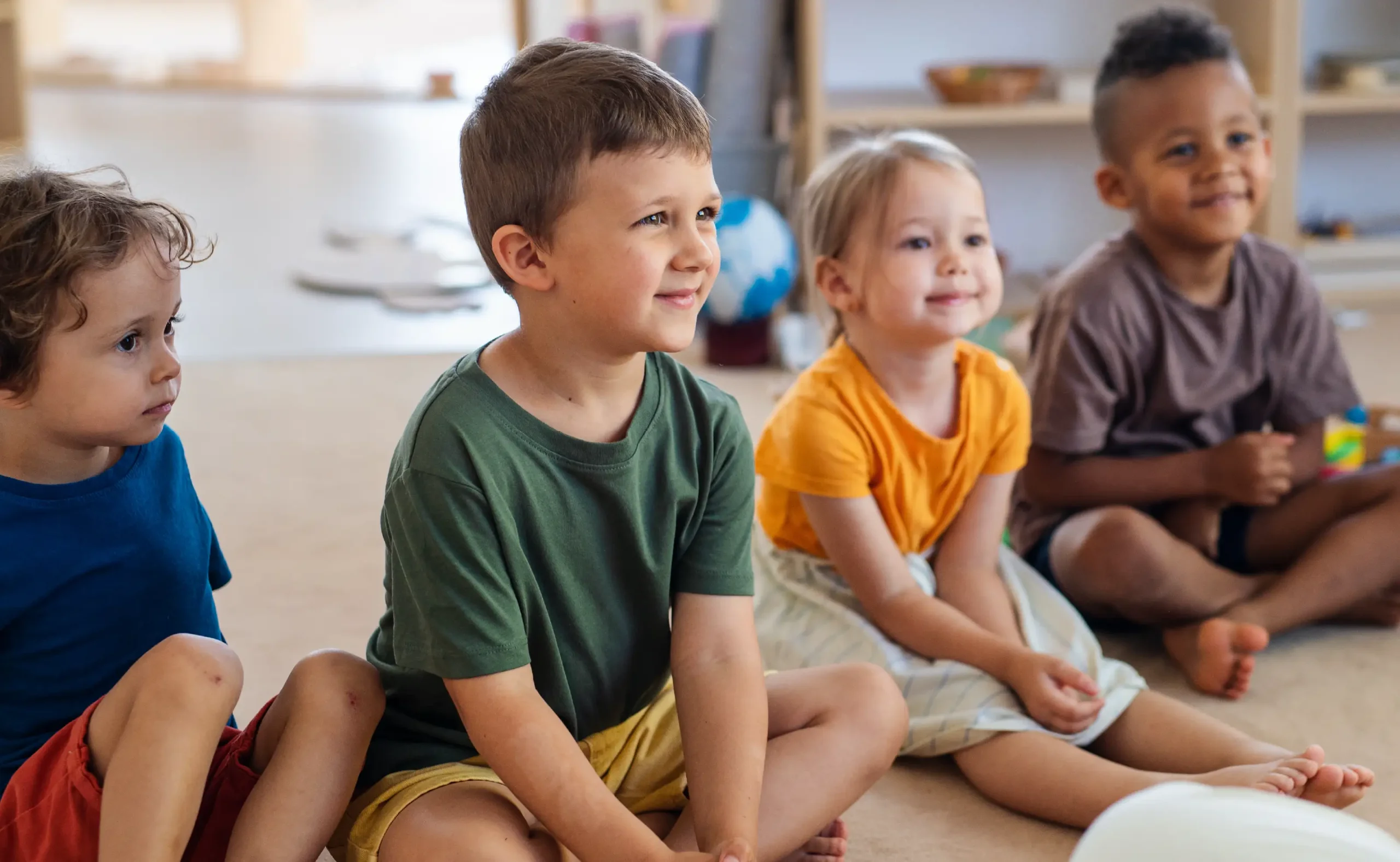
Play is the foundation of learning in the early years. At our center, the importance of play is evident in the way we carefully design activities to promote social, emotional, cognitive, and physical development. For example:
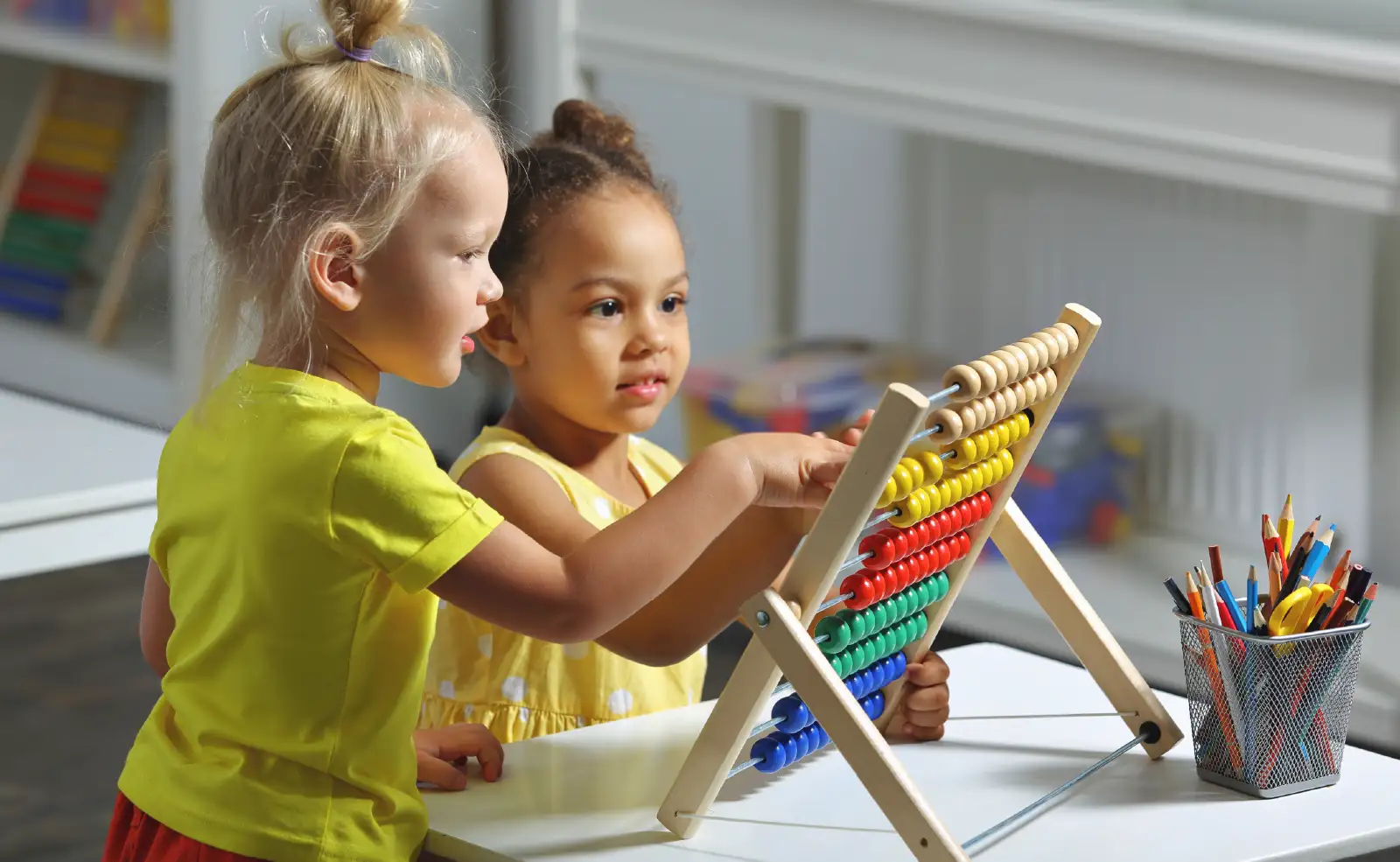
- Building with blocks encourages problem-solving, early math skills, and spatial awareness.
- Pretend play helps children practice communication, cooperation, and empathy by “trying on” different roles.
- Art activities build fine motor skills while fostering creativity and confidence.
The Importance of Play:
Brain research confirms that children learn best through active engagement. When kids play, they aren’t “just playing”—they’re developing focus, memory, resilience, and self-control. These are the same skills that prepare them for reading, writing, and lifelong learning. The benefits of play in early childhood last well beyond the classroom.
At HCELC, we intentionally design play-based learning activities to guide young minds into deeper exploration, turning natural curiosity into meaningful growth. Play is not a pause in learning—it is learning in motion.