

Choosing a preschool is one of the most important early decisions you’ll make for your child. A high-quality preschool experience can lay the foundation for lifelong learning, emotional intelligence, and social success. But with so many options out there, how do you know which one is right for your family?
Here are the top things every parent should consider when selecting a preschool in Boerne:
1. Understand the Philosophy and Curriculum
Preschools vary widely in their teaching styles. Some may follow a play-based philosophy, while others might use a structured academic approach or Montessori method. It’s important to find a program that aligns with your child’s learning style and your family’s values.
Ask: How does the school balance play, academics, and social development?
2. Look at Teacher Qualifications and Ratios
Early childhood educators should have specialized training and a passion for working with young children. Low teacher-to-child ratios mean more individual attention, which is especially critical in early learning settings.
Ask: What qualifications and training do the teachers have? What is the teacher-to-student ratio?
3. Visit and Observe Classrooms
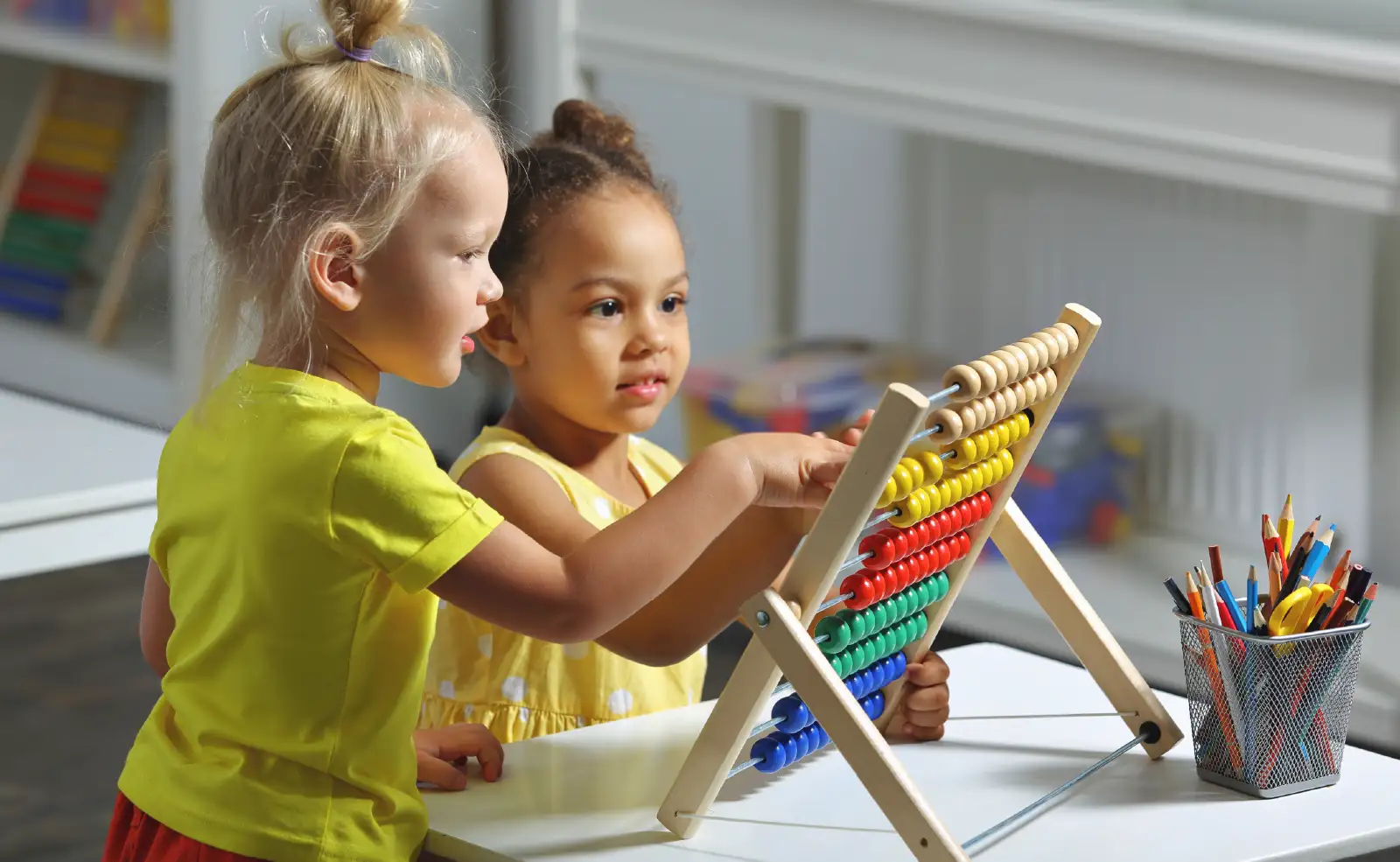
There’s no substitute for seeing a preschool in action. When you tour, notice if the classrooms feel welcoming, organized, and calm. Are children engaged? Are teachers attentive and positive?
Look for: Children actively participating, smiling, and feeling safe. Classrooms should encourage exploration but not feel chaotic.
4. Ask About the Daily Schedule
Young children thrive on routine. A strong preschool program offers a balance of structured activities (like circle time and story time) and free play, both indoors and outdoors.
Ask: How is the day structured? Is there a good mix of group and individual activities?
5. Prioritize Safety and Cleanliness
Your child’s health and safety should be a top priority. Ask about security measures, cleaning protocols, teacher background checks, and emergency procedures.
Ask: How does the school handle illnesses? What are the policies for emergencies?
6. Check Communication and Family Involvement
Open, regular communication between parents and teachers is essential. Some schools offer daily reports, apps for updates, or regular parent-teacher conferences.
Ask: How will I be kept informed about my child’s day and development?
7. Understand Tuition, Fees, and Policies
Preschools can vary significantly in cost. Be sure you understand what is included in tuition (meals, supplies, enrichment activities) and what additional fees might come up.
Ask: Are there part-time options? Is there a sibling discount? What is the policy for holidays, sick days, and closures?
8. Trust Your Instincts
At the end of the day, trust your gut. You know your child best. If a school feels warm, respectful, and genuinely invested in children’s growth, that’s a strong sign it could be a good fit.
Choosing the right preschool is about more than just academics – it’s about finding a community where your child will feel loved, challenged, and inspired. Take your time, ask questions, and don’t be afraid to visit multiple schools before making your decision. The right environment can spark a lifelong love of learning! And hopefully you will find all of us at Hill Country ELC as the right place for you!
Handy Checklist
Use this checklist when touring preschools to help you find the best fit for your child!
General Information
⃞ School philosophy matches our family’s values and my child’s learning style.
⃞ Program offers appropriate balance of academics, play, and social development.
⃞ Age groups and class options match my child’s needs (Infant, Toddler, Preschool, Pre-K).
Teachers and Staff
⃞ Teachers have early childhood education qualifications.
⃞ Staff receive ongoing professional development and training.
⃞ Low teacher-to-child ratio for individual attention.
⃞ Staff are warm, attentive, and responsive to children’s needs.
Learning Environment
⃞ Classrooms are clean, organized, and inviting.
⃞ Children are actively engaged in activities.
⃞ Outdoor play areas are safe, clean, and stimulating.
⃞ Diverse materials available (books, blocks, art supplies, science tools).
Curriculum and Daily Routine
⃞ Clear daily schedule with a good balance of structure and free play.
⃞ Activities promote critical thinking, creativity, and motor skills.
⃞ Programs include art, music, movement, and outdoor time.
⃞ Bilingual or enrichment programs available (optional).
Safety and Health
⃞ Secure entry system and visitor check-in procedures.
⃞ Regular cleaning and sanitation protocols.
⃞ Emergency plans and first aid procedures clearly explained.
⃞ Nutritious meals/snacks provided (if applicable).
Parent Communication
⃞ Regular updates through apps, emails, newsletters, or daily reports.
⃞ Parent-teacher conferences offered at least twice a year.
⃞ Open-door policy for parent visits or involvement.
Logistics
⃞ Tuition and fees are clearly explained.
⃞ Flexible scheduling options available (part-time, full-time).
⃞ Clear policies on holidays, closures, late pick-up, and illness.
⃞ Convenient location and hours that match our family’s needs.
Overall Impression
⃞ I feel welcomed and respected as a parent.
⃞ My child seems comfortable and curious in the environment.
⃞ I trust the staff with my child’s care and education.
⃞ I would feel excited to be part of this school community.
 Tip: Trust your instincts! A good preschool will feel like a nurturing second home for your child.